San Diego’s canine companionship landscape is as diverse and vibrant as its coastal geography. For dog owners, ensuring their pets receive adequate exercise, mental stimulation, and social interaction is paramount. This is where professional dog walking services come into play, acting as vital conduits for maintaining a dog’s well-being and by extension, the owner’s peace of mind. In a city blessed with numerous parks, beaches, and trails, the demand for reliable and skilled dog walkers is consistently high. This article will explore some of San Diego’s notable dog walking services, examining their approaches to client care, their service offerings, and the factors that contribute to their reputation.
A professional dog walker is more than just someone who takes a dog for a stroll. They are entrusted with the care and safety of a beloved family member, often for extended periods. The responsibilities extend beyond simple locomotion.
The Importance of Exercise and Mental Stimulation
Cardiovascular health, weight management, and muscle tone are obvious benefits of regular physical activity. However, the mental stimulation provided by a dog walk is equally crucial. Novel environments, new smells, and encounters with other dogs and people offer cognitive enrichment. Without sufficient stimulation, dogs can develop behavioral issues stemming from boredom and pent-up energy. These can manifest as destructive chewing, excessive barking, or anxious behaviors. A skilled walker provides variety in routes and pacing, exposing the dog to different textures, sounds, and sights. This keeps their minds engaged and prevents monotony, which can be as detrimental as inactivity.
Tailoring Exercise to Breed and Age
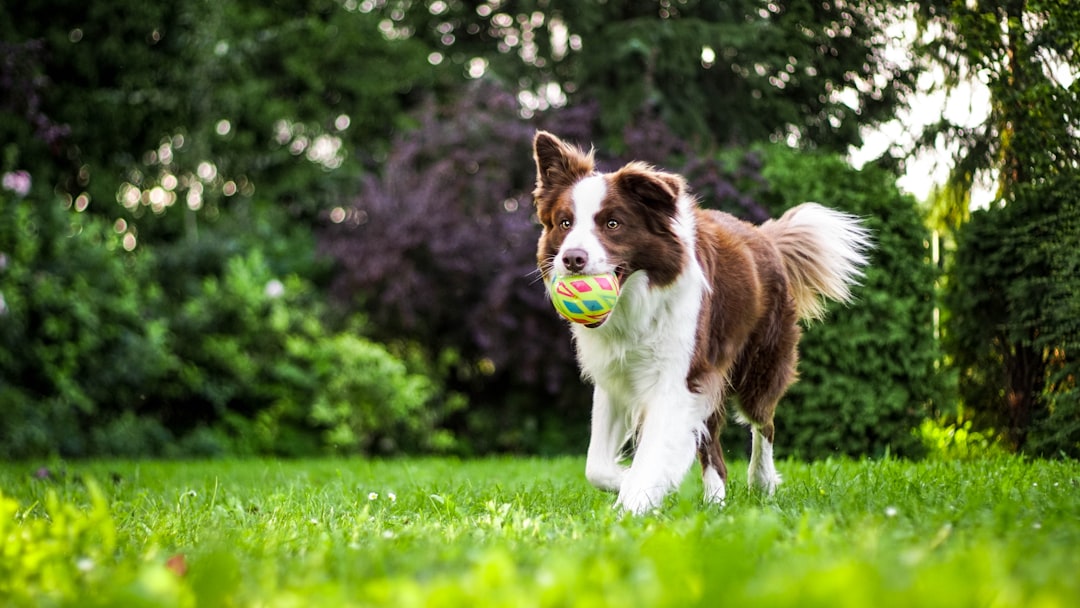
Different breeds and ages have distinct exercise requirements. A high-energy Border Collie will need a far more rigorous and longer walk than a senior Pug. Professional dog walkers understand these nuances. They assess a dog’s breed, age, energy level, and any existing health conditions to curate a walking regimen that is both safe and effective. This might involve interspersed sprints for younger, active dogs or gentler, shorter excursions for older or less mobile companions. Puppyhood requires a different approach, focusing on socialization and positive reinforcement alongside controlled bursts of activity to protect developing joints.
Safety Protocols and Risk Management
Entrusting one’s pet to another individual necessitates a high degree of trust. Professional dog walkers prioritize safety through robust protocols. This includes secure leashing techniques, awareness of potential hazards in the environment (traffic, other animals, discarded items), and proper handling of reactive or fearful dogs.
Emergency Preparedness
Accidents can happen, despite the best precautions. A professional dog walker will have a plan in place for emergencies. This often includes carrying a pet first-aid kit, knowing the location of the nearest veterinary clinic, and having emergency contact information readily available for the owner. Many services also maintain comprehensive insurance to cover unforeseen incidents, offering an additional layer of security for both the dog and the owner. They are trained to recognize signs of distress in their canine charges, whether it be heatstroke, injury, or anxiety, and to act swiftly and appropriately.
Socialization and Pack Dynamics
For many dogs, a walk is also a social occasion. Professional walkers often manage small, compatible groups of dogs. Understanding canine social cues and group dynamics is essential to prevent altercations and ensure a positive experience for all involved. A skilled walker can read the subtle body language of dogs, intervening before tensions escalate and fostering harmonious interactions within the group. This controlled socialization is invaluable for dogs who might otherwise have limited opportunities to interact positively with their peers.
Key Considerations When Choosing a Dog Walker
Selecting the right dog walker is a decision that impacts a dog’s daily life. Several factors warrant careful consideration to ensure a good fit.
Experience and Training
The experience level of a dog walker is a significant indicator of their competence. While enthusiasm is valuable, practical experience in handling various breeds, temperaments, and behavioral challenges is crucial.
Certifications and Specialized Training
Some dog walkers pursue certifications in areas like canine behavior, first aid, and CPR. These credentials demonstrate a commitment to professional development and a deeper understanding of canine needs. Specialized training in areas such as positive reinforcement techniques or managing specific behavioral issues can be particularly beneficial for owners with dogs requiring extra attention. Look for individuals who actively seek to expand their knowledge base in animal care and behavior.
Background Checks and References
Given the responsibility involved, it is reasonable to expect that dog walking services conduct thorough background checks on their employees. Likewise, potential clients should not hesitate to request references from past and current clients. Speaking with other dog owners who have used the service can provide valuable insights into the walker’s reliability, professionalism, and how they interacted with their pets. Transparency in this regard is a hallmark of a reputable service.
Service Offerings and Flexibility
The array of services provided by a dog walker can vary significantly. Understanding these offerings will help determine if they meet a dog’s specific needs and an owner’s schedule.
Walk Durations and Frequency Options
Standard dog walks typically range from 30 minutes to an hour, but some services may offer shorter “potty breaks” or longer “adventure hikes.” The ability to customize the duration and frequency of walks to match a dog’s energy level and an owner’s availability is essential. This flexibility allows for a truly tailored approach, ensuring the dog receives precisely the amount of exercise it requires.
Group Versus Solo Walks
The choice between group and solo walks depends on a dog’s temperament and socialization needs. Some dogs thrive in a social pack environment, enjoying the company of other canines. Others may be overwhelmed or anxious and would benefit more from individual attention. A good walker will assess a dog’s personality and recommend the most suitable walking arrangement. They should be able to explain the rationale behind their recommendation, demonstrating an understanding of pack dynamics and individual canine psychology.
Additional Services
Beyond basic walking, many services offer supplementary care. This can include feeding, administering medication, basic grooming (like wiping paws), and overnight pet-sitting. These additional services can be incredibly convenient for owners who
travel frequently or have demanding work schedules, providing a comprehensive care solution.
Communication and Technology Integration
Effective communication is the bedrock of trust in any service-based relationship, especially when it involves pets.
Real-Time Updates and Reporting
Reputable dog walkers provide regular updates to owners, typically via text message or a dedicated app. These updates might include information about the walk, the dog’s behavior, and any notable observations. Many services utilize GPS tracking, allowing owners to see the route their dog took during the walk, offering transparency and peace of mind. Photos and videos of the dog enjoying their outing are also common and highly appreciated.
Client Portal and Scheduling Ease
Many modern dog walking companies offer online client portals or user-friendly apps. These platforms streamline the booking process, allow for easy communication with the walker, and often serve as a central hub for all information related to the dog’s care. The ability to manage appointments, update pet profiles, and communicate preferences through a digital interface enhances convenience and efficiency.
San Diego’s Dog Walking Landscape: Notable Services and Their Approaches
San Diego boasts a multitude of dog walking services, each with its unique strengths and service philosophies. While not an exhaustive list, this section highlights a few examples that represent various approaches to professional dog care.
Service Example A: The Personalized Experience
This service emphasizes tailoring each walk to the individual dog. Their walkers often spend time getting to know each canine client, understanding their favorite toys, preferred walking routes, and any specific anxieties or behavioral quirks.
Walk Assessment and Individualized Plans
Upon initial consultation, their walkers conduct a thorough assessment of the dog. This goes beyond just energy levels; it includes observing how the dog interacts with its environment and other dogs. Based on this assessment, they develop a personalized walking plan that is shared with the owner. This plan might detail specific training reinforcements to be incorporated during walks or mention preferred stops for water breaks on warmer days.
Focus on Behavioral Enrichment
Beyond physical exercise, this service places a strong emphasis on mental stimulation. Walks are designed to be engaging, incorporating elements of exploration and scent work. Walkers might carry puzzle toys or engage the dog in simple training exercises during the outing, acting as extensions of the owner’s efforts to keep their dog mentally sharp. This proactive approach aims to prevent boredom-related issues and foster a more well-adjusted canine.
Service Example B: The Community-Oriented Pack
This service often operates with small, carefully curated dog groups, aiming to foster positive social interactions. They emphasize socialization as a key component of a dog’s well-being.
Breed-Specific Grouping or Temperament Matching
Recognizing that not all dogs are suited for every social situation, this service often employs strategies for temperament matching or even breed-specific groupings. This ensures that dogs in a group are likely to get along, minimizing the risk of negative interactions. They invest time in understanding the social dynamics within their walking groups.
Adventure Hikes and Exploration
Beyond neighborhood walks, this service frequently offers “adventure hikes” to local dog-friendly trails and parks. These excursions provide dogs with diverse sensory experiences, ample room to run, and the opportunity to explore new terrains. These longer outings are carefully planned to ensure dog safety and landowner permissions are respected.
Service Example C: The Tech-Savvy Solution
This service leverages technology to provide enhanced transparency and convenience for owners. Their platform is central to their operations.
GPS Tracking and Digital Reporting
Utilizing advanced GPS tracking technology, this service allows owners to monitor their dog’s walk in real-time via a mobile app. Upon completion, owners receive a detailed digital report that includes the route taken, duration, distance, and any relevant behavioral notes from the walker. This offers a high level of accountability and communication.
Seamless Online Booking and Management
The entire client experience, from booking walks to updating pet information and managing payments, is handled through their intuitive online platform. This streamlines the process for busy owners, allowing them to manage their dog’s care with ease and efficiency from anywhere. This approach aims to remove administrative friction from pet care.
Building Trust: The Foundation of a Successful Dog Walking Relationship
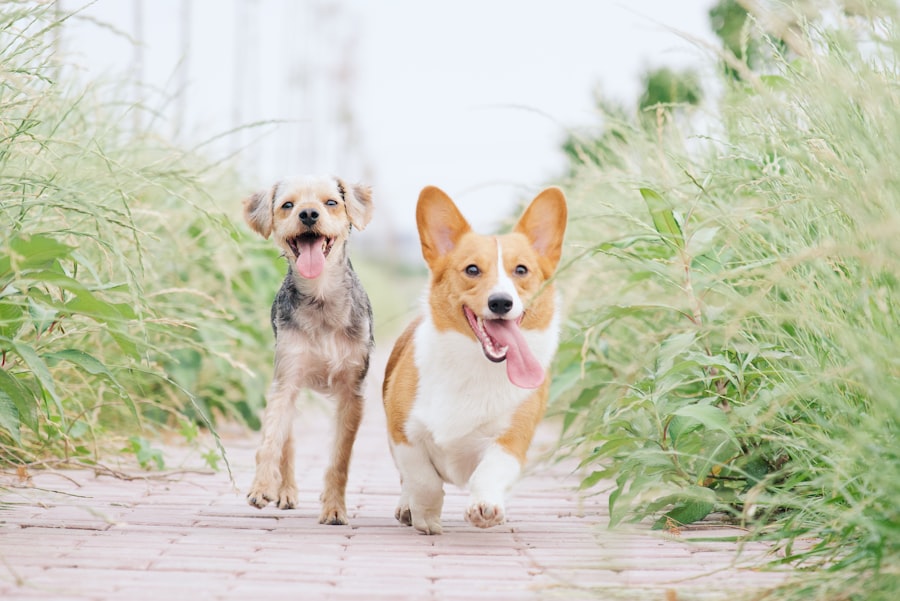
The bond between a dog owner and their dog walker is built on trust. This trust is earned through consistent reliability, clear communication, and a genuine love for animals.
Reliability and Punctuality
For owners who rely on dog walkers to maintain their pet’s routine, punctuality and reliability are non-negotiable. A walker who consistently arrives on time and follows through on scheduled walks builds confidence and reduces anxiety for both the owner and the dog. Dogs thrive on routine, and disruptions can lead to stress.
Consistent Caregiver Assignment
Whenever possible, assigning a consistent primary caregiver to a dog fosters a stronger bond and allows the walker to develop a deeper understanding of the dog’s individual needs and personality. This continuity is particularly beneficial for anxious or shy dogs who may take time to warm up to new people. A familiar face provides comfort and predictability.
Transparent Pricing and Contracts
Clear and upfront pricing is a sign of a professional and ethical business. Owners should understand exactly what they are paying for and what services are included.
Written Service Agreements
A comprehensive written service agreement or contract outlines the terms of service, including cancellation policies, payment schedules, and liability. This document serves as a reference point for both parties and ensures that expectations are clearly defined, preventing misunderstandings down the line. It acts as a mutual understanding of the responsibilities involved.
Client Testimonials and Reputation
A strong online presence and positive client testimonials can be indicators of a reputable dog walking service. However, it is important to look beyond just star ratings.
Reviewing Online Feedback
Actively seeking out reviews on platforms like Google, Yelp, or specialized pet service directories can provide candid feedback from other dog owners. Pay attention to recurring themes in both positive and negative reviews. While individual experiences can vary, consistent feedback about a walker’s professionalism, reliability, and care for animals is a valuable indicator.
The Health and Happiness Link: How Quality Walking Contributes
| Metric | Value | Notes |
|---|---|---|
| Average Hourly Rate | 20 – 30 | Varies by experience and service type |
| Number of Registered Dog Walkers | 150+ | Based on local directories and platforms |
| Average Walk Duration | 30 – 60 minutes | Common walk lengths offered |
| Popular Neighborhoods Served | La Jolla, Pacific Beach, North Park | High demand areas for dog walking |
| Customer Satisfaction Rating | 4.5 / 5 | Average rating on review platforms |
| Peak Booking Times | Morning (7-10 AM), Evening (4-7 PM) | Times when most walks are scheduled |
The benefits of professional dog walking extend far beyond convenience; they are intrinsically linked to a dog’s overall health and happiness.
Physical Health Benefits
Regular and appropriate exercise is fundamental to a dog’s physical well-being.
Preventing Obesity and Related Conditions
Obesity in dogs can lead to a range of health problems, including diabetes, joint issues (like arthritis), and cardiovascular disease. Consistent walks help manage weight by burning calories and maintaining a healthy metabolism. A walker who can gauge a dog’s exertion level and adapt the walk accordingly is a valuable asset.
Strengthening Muscles and Joints
Consistent physical activity helps build and maintain strong muscles and flexible joints. This is particularly important as dogs age, helping to slow the progression of age-related joint deterioration and maintain mobility. For puppies, controlled exercise aids in proper skeletal development.
Mental and Emotional Well-being
The impact of dog walking on a dog’s mental and emotional state is equally profound.
Reducing Anxiety and Stress
Pent-up energy and lack of stimulation can lead to anxiety and stress in dogs, manifesting in various behavioral issues. Regular walks provide an outlet for this energy, reducing nervousness and promoting a calmer demeanor. The novelty of the environment also serves as a distraction from potential stressors.
Improving Social Skills
For dogs that regularly participate in group walks with compatible companions, it offers invaluable opportunities for positive social interaction. This helps them learn to navigate social cues, develop appropriate play behaviors, and become more confident in the presence of other dogs and people. A well-socialized dog is generally a happier and more adaptable dog.
Boosting Mood and Overall Happiness
Like humans, dogs benefit from fresh air, sunshine, and engaging experiences. A well-executed dog walk can significantly boost a dog’s mood, leading to a happier and more content pet. These excursions break up the monotony of a day spent indoors, providing stimulation and enriching their lives.
Conclusion: Investing in Your Dog’s Well-being
San Diego’s vibrant community and numerous outdoor spaces provide an ideal environment for dogs. Professional dog walking services are an integral part of ensuring that canine companions can fully benefit from these opportunities. By carefully considering the experience, service offerings, and communication practices of potential walkers, owners can make informed decisions that prioritize their dog’s health, happiness, and safety. The investment in a quality dog walker is not merely an expense; it is a proactive step towards fostering a well-adjusted, healthy, and joyful life for a beloved pet, creating a ripple effect of positivity that extends to the entire household.