This article provides information on selecting and utilizing professional dog walking services in San Diego. It aims to present a balanced perspective on the benefits and considerations involved.
A professional dog walker, particularly one operating in a city like San Diego with its diverse pet population and active outdoor lifestyle, offers a valuable service to dog owners. This service extends beyond simple physical exercise; it encompasses a range of responsibilities tailored to the individual needs of each animal. The dog walker acts as a temporary caregiver, responsible for the safety, well-being, and enrichment of the dog during their time together. This role requires a specific skillset and a deep understanding of canine behavior.
The Spectrum of Services Offered
Professional dog walkers typically provide a variety of services designed to cater to different owner requirements and dog temperaments. These can range from short, individual walks for less energetic dogs to longer, more vigorous excursions for highly active breeds. Group walks also exist, offering socialisation opportunities for dogs that are comfortable in a pack environment. Some services may extend to pet sitting, overnight care, or even basic training reinforcement during walks. Understanding this spectrum is crucial for owners to identify the service that best aligns with their pet’s specific needs and their own logistical constraints.
Individual vs. Group Walks
The decision between individual and group walks is a primary consideration. Individual walks offer a tailored experience, allowing the walker to focus entirely on a single dog’s pace, needs, and behaviour. This is often beneficial for puppies, senior dogs, dogs with behavioural issues, or those who require a more controlled environment. Group walks, conversely, provide socialisation benefits. However, they necessitate careful matching of dogs based on temperament and energy levels to ensure a positive and safe experience for all participants. A poorly managed group walk can become a source of stress or even conflict, rather than a beneficial outing.
Walk Length and Frequency
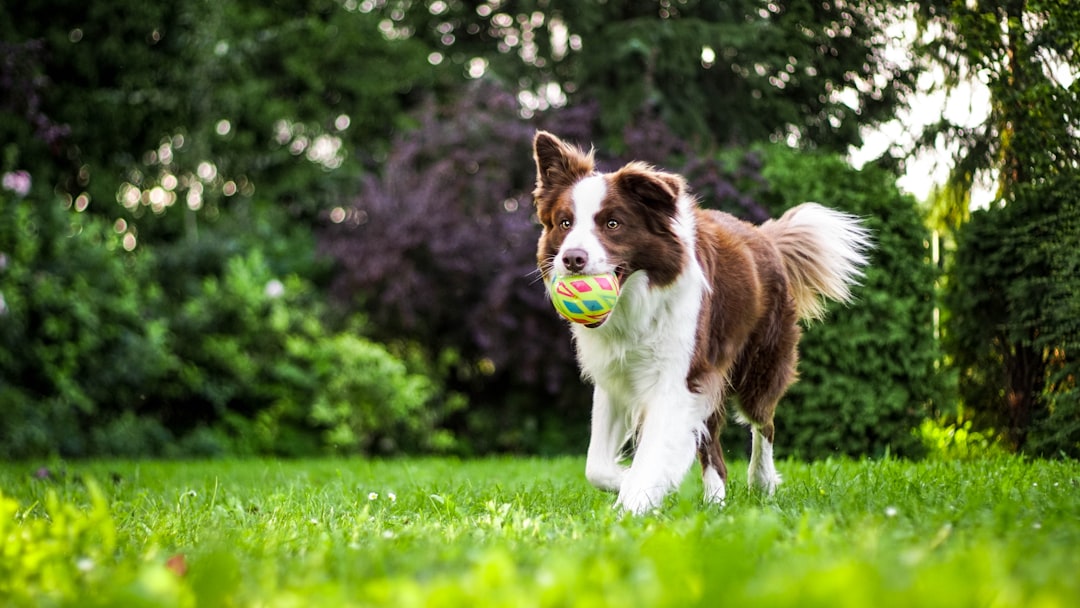
The duration and frequency of walks are directly tied to a dog’s breed, age, energy level, and overall health. A high-energy breed like a Border Collie will require significantly more time and intensity than a Basset Hound of the same age. Similarly, puppies and senior dogs have different needs. Professional walkers often offer a range of time slots, from 30-minute potty breaks to hour-long explorations. Owners should consult with their veterinarian to determine appropriate exercise levels for their specific dog before engaging a dog walking service.
The Benefits of Professional Dog Walking
Engaging a professional dog walker can offer numerous advantages, both for the dog and the owner. For the dog, it provides essential physical and mental stimulation, which are critical for preventing boredom, developing destructive behaviours, and maintaining overall health. For the owner, it offers peace of mind, especially when work schedules or other commitments prevent them from providing adequate exercise.
Physical and Mental Stimulation
Dogs are creatures of habit and require regular outlets for their energy. A professional walk provides this outlet, helping to keep their bodies healthy and their minds engaged. This stimulation can be as simple as exploring new scents on a route or as complex as navigating through a small park. The mental aspect is often overlooked. A walk is not just about covering distance; it’s about sensory input. New smells, sounds, and sights provide a rich environment that combats canine ennui.
Socialisation Opportunities
For dogs that are compatible, group walks can be an excellent avenue for socialisation. Properly supervised introductions and consistent positive interactions can help dogs develop appropriate social skills, reducing fear-based reactivity or aggression. This is akin to children attending a well-structured playgroup; it teaches them how to interact with peers in a safe and guided environment. However, the success of socialisation through group walks hinges significantly on the walker’s expertise in dog behaviour and group management.
Disease and Behavioural Prevention
Adequate exercise and mental stimulation are powerful tools in preventing common canine health and behavioural issues. Boredom can manifest as destructive chewing, excessive barking, or digging. Lack of sufficient physical activity can contribute to obesity, joint problems, and cardiovascular issues. A regular walking routine, facilitated by a professional, acts as a preventative measure, contributing to a longer, healthier, and happier life for the dog.
Peace of Mind for Owners
For many owners, the primary benefit is the assurance that their dog is being cared for and exercised while they are away. This can significantly reduce stress and guilt associated with long workdays or travel. Knowing that their pet is in capable hands allows owners to focus on their own responsibilities with greater ease. This peace of mind is a tangible, albeit often unspoken, benefit of professional dog walking services.
Selecting a Qualified Dog Walker in San Diego
Choosing the right dog walker is a critical decision that impacts your pet’s well-being. The San Diego environment, with its numerous parks, beaches, and varied terrain, offers opportunities but also presents unique challenges that a walker must be able to navigate. A qualified walker is not simply someone who enjoys dogs; they possess a deeper understanding and a commitment to professional standards.
Essential Qualifications and Experience
A competent dog walker will possess a certain level of experience and knowledge, particularly relevant to the urban and suburban environments of San Diego. This includes an understanding of leash laws, local park regulations, and potential hazards. Experience with different breeds and temperaments is also a significant indicator of their capability.
Canine Behaviour and Safety Expertise
A fundamental requirement for any dog walker is a solid understanding of canine behaviour. This includes recognizing signs of stress, fear, aggression, and playfulness. They should be able to anticipate and de-escalate potentially problematic situations before they arise. Safety encompasses not only the dog’s physical well-being but also their emotional state during the walk. A walker who can read a dog’s body language like a seasoned sailor reads the sea will be more effective at ensuring a positive experience.
Experience with Various Breeds and Temperaments
Each dog is an individual, and their needs vary greatly. A walker with experience handling a diverse range of breeds, sizes, and temperaments will be better equipped to adapt their approach. This includes understanding the specific exercise requirements of a high-energy working breed versus the gentle needs of a senior dog, or managing the enthusiasm of a puppy with the cautious steps of a timid rescue.
The Importance of Insurance and Bonding
Professional dog walkers should carry adequate insurance and be bonded. Insurance protects against accidents or injuries that may occur during a walk, covering veterinary bills or property damage. Bonding provides financial protection for clients against theft or dishonesty by the walker. These are not optional extras; they are fundamental indicators of a professional and responsible business.
Liability Insurance
Liability insurance is critical. Should a dog escape and cause an accident, or should a dog become injured due to negligence, this insurance helps cover the associated costs. Without it, owners could be exposed to significant financial burdens. It’s a crucial layer of protection for both parties.
Bonding and Trust
Bonding is a form of insurance that protects clients against loss due to employee dishonesty. While many dog walkers are trustworthy, bonding offers an extra measure of security and underscores a commitment to ethical business practices. It’s a sign that the business takes client trust and security seriously.
Red Flags to Watch For
When evaluating potential dog walkers, it is important to be aware of certain red flags that may indicate a lack of professionalism or compétence. Observing these can save potential clients from negative experiences.
Lack of Client References or Reviews
A reputable dog walker should have a history of satisfied clients and be willing to provide references or testimonials. A complete absence of reviews or testimonials can be a cause for concern. Online reviews, social media presence, and word-of-mouth recommendations are all valuable sources of information.
Inadequate Screening Process
A professional dog walker will conduct a thorough initial consultation (often called a “meet and greet”) with the owner and the dog. This allows them to assess the dog’s temperament, discuss the owner’s needs, and establish an initial rapport. A walker who skips this step or relies solely on a phone call may not be adequately prepared to meet the specific needs of your pet.
Unclear Pricing or Contracts
Transparent pricing and a clear service agreement are essential. Any ambiguity in cost, cancellation policies, or the scope of services can lead to misunderstandings and disputes down the line. A professional will present a clear contract outlining all terms and conditions.
The Practicalities of Dog Walking Services
Engaging a professional dog walker involves understanding the practical aspects of the service. This includes how the service is booked, managed, and what communication can be expected. A well-organized service functions smoothly, minimizing disruption for both the owner and the dog.
The Initial “Meet and Greet”
The initial consultation, often referred to as a “meet and greet,” is a cornerstone of professional dog walking services. This is not merely a formality; it is an essential opportunity for information exchange and assessment. During this meeting, the walker will observe the dog’s interaction with them, discuss the dog’s routines, dietary needs, any medical conditions, behavioural quirks, and the owner’s expectations. This allows the walker to gauge the dog’s personality and determine if they are a suitable match for their services. It also provides the owner with an opportunity to assess the walker’s professionalism, communication style, and overall comfort level.
Assessing Dog-Walker Compatibility
This is the critical juncture where the initial bond or lack thereof between the dog and the potential walker is observed. A good walker will be patient and allow the dog to approach them on their own terms, observing their body language. A quick or dismissive interaction with the dog can be a warning sign. Conversely, a dog that shows immediate comfort and interest in the walker suggests a positive initial connection.
Discussing Pet’s Needs and Owner’s Expectations
The owner’s role is equally important during this phase. Comprehensive communication about the dog’s feeding schedule, medication, preferred walking routes, any fears or anxieties (e.g., fear of thunderstorms, other dogs), and emergency contact information is vital. Clearly articulating expectations regarding walk duration, frequency, and specific commands the dog responds to will ensure the walker is fully informed.
Communication and Updates
Effective communication is the lifeblood of a successful dog walking relationship. Owners need to feel informed about their dog’s well-being and activities during their absence. Professional walkers utilize various methods to provide updates, ensuring transparency and peace of mind.
Daily Reports and Photos
Many services provide daily reports, often via text message or a dedicated app. These reports can include details about the walk, the dog’s behaviour, any observations made, and sometimes even photos or short videos of the dog enjoying their excursion. This visual documentation can be reassuring for owners, allowing them to feel connected to their pet even when physically apart. These updates serve as a window into the dog’s day.
Emergency Procedures and Protocols
A professional will have clear emergency protocols in place. This includes having immediate access to veterinary contact information and understanding the owner’s wishes regarding emergency care. They should also be equipped with a first-aid kit for minor injuries and have a plan for severe emergencies, such as contacting the owner and arranging transport to a veterinary clinic.
Scheduling and Logistics
The scheduling of walks and the logistical arrangements for accessing the dog’s home are important considerations. Professional services often employ online booking systems or dedicated scheduling software to manage appointments efficiently.
Accessing Your Home Securely
The method of accessing the client’s home should be clearly defined and secure. This often involves key management systems, where keys are labelled with codes rather than client names, or the use of smart locks with temporary access codes. The walker should be transparent about their procedures for key handling and security.
Cancellation and Rescheduling Policies
Understanding the walker’s policies regarding cancellations and rescheduling is crucial. Life can be unpredictable, and both parties should have clear guidelines on how to manage changes to the schedule to avoid penalties or misunderstandings.
The Role of Technology in Modern Dog Walking
Technology has significantly impacted the dog walking industry, offering enhanced transparency, communication, and accountability. From GPS tracking to online booking platforms, these tools empower both service providers and clients.
GPS Tracking and Walk Monitoring
Many modern dog walking services utilize GPS technology to track walks. This allows owners to see the route their dog took, the duration of the walk, and the distance covered. This feature provides an added layer of security and transparency, ensuring that the dog received the agreed-upon exercise.
Verifying Service and Route
GPS data offers an objective record of the walk. Owners can verify that the walker followed the agreed-upon route and that the dog received the appropriate amount of exercise. This data can be particularly useful for owners who may be geographically distant or who have concerns about reliability. It’s like having a digital map of your dog’s adventures.
Data for Behavioural Insights
The data collected from GPS tracking can also offer insights into a dog’s activity patterns. Owners can observe if their dog is consistently covering a certain distance or if their pace varies significantly, which could potentially indicate changes in their health or energy levels.
Online Booking and Management Platforms
The advent of online platforms and mobile applications has streamlined the process of booking, managing, and paying for dog walking services. These platforms offer a centralized hub for all aspects of the service.
Convenience and Efficiency
These platforms allow clients to book appointments, manage their dog’s profile, communicate with their walker, and process payments all from their smartphone or computer. This convenience saves time and reduces the administrative burden for busy owners. It’s a digital trailhead for your dog’s walking schedule.
Secure Payment Processing
Online platforms typically offer secure payment processing, ensuring that financial transactions are handled safely and efficiently. This eliminates the need for cash exchanges and provides a clear record of payments.
Legal and Ethical Considerations for Dog Walkers
| Metric | Details |
|---|---|
| Average Walk Duration | 30 to 60 minutes |
| Typical Walk Frequency | 1 to 3 times per day |
| Service Area | San Diego city and surrounding neighborhoods |
| Average Cost per Walk | 20 to 40 |
| Number of Professional Dog Walkers | Approximately 50 to 100 |
| Common Dog Sizes Walked | Small, Medium, Large |
| Additional Services Offered | Pet sitting, training, feeding, and waste cleanup |
| Peak Demand Times | Morning (7-9 AM) and Evening (5-7 PM) |
| Average Client Rating | 4.5 to 5 stars |
Operating a professional dog walking service involves adherence to certain legal frameworks and ethical standards. This ensures that both the service provider and the clients are protected, and that the welfare of the animals is paramount.
Business Licensing and Permits
In San Diego, as in many municipalities, dog walking businesses may be required to obtain specific licenses or permits to operate legally. This often involves registering the business with the city or county and adhering to local regulations.
Compliance with Local Regulations
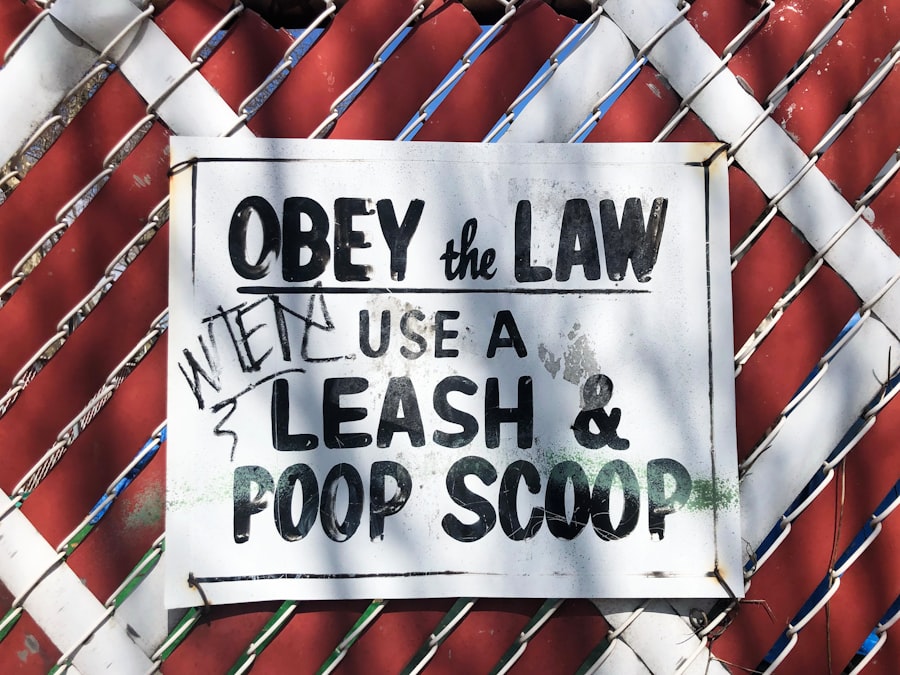
Understanding and complying with local ordinances related to animal care, leash laws, and public nuisance is essential. A professional walker will be knowledgeable about these regulations and ensure their practices are in accordance with them, preventing potential fines or legal issues for themselves and their clients.
Insurance Requirements
As previously mentioned, business insurance is a legal and ethical necessity. Proper insurance coverage protects against unforeseen incidents and demonstrates a commitment to responsible business operation.
Ethical Treatment of Animals
Beyond legal obligations, the ethical treatment of animals is the cornerstone of a reputable dog walking service. This encompasses a commitment to the dog’s physical and psychological well-being at all times.
Prioritizing Animal Welfare
This means ensuring that dogs are never pushed beyond their physical limits, that they are protected from environmental hazards such as extreme heat or cold, and that they are treated with kindness and respect. A strong ethical compass guides all decisions.
Handling Difficult or Anxious Dogs
Ethical walkers are equipped to handle dogs with anxiety, fear, or behavioural challenges with patience, understanding, and appropriate techniques. They will not resort to harsh or punitive methods. Instead, they will focus on positive reinforcement and creating a safe, predictable environment for the animal.
Contracts and Service Agreements
A comprehensive service agreement or contract is not just a legal formality; it is a tool for clear communication and mutual understanding. It outlines the responsibilities of both the dog walker and the client.
Defining Scope of Services
The contract should clearly define the services to be provided, including walk duration, frequency, specific routes (if applicable), and any additional services. It should also detail emergency procedures, key handling, and reporting requirements.
Liability and Indemnification
The contract should also address issues of liability, outlining who is responsible in case of unforeseen events or accidents. This provides clarity and legal protection for both parties, ensuring that both understand their obligations and the potential risks involved.
This extensive overview of professional dog walking services in San Diego highlights the multifaceted nature of this profession. It underscores the importance of thorough research, careful selection, and clear communication to ensure the optimal well-being and happiness of your canine companion.